
Dept. of Interior announces $50 million to fund water projects through Bureau of Reclamation.
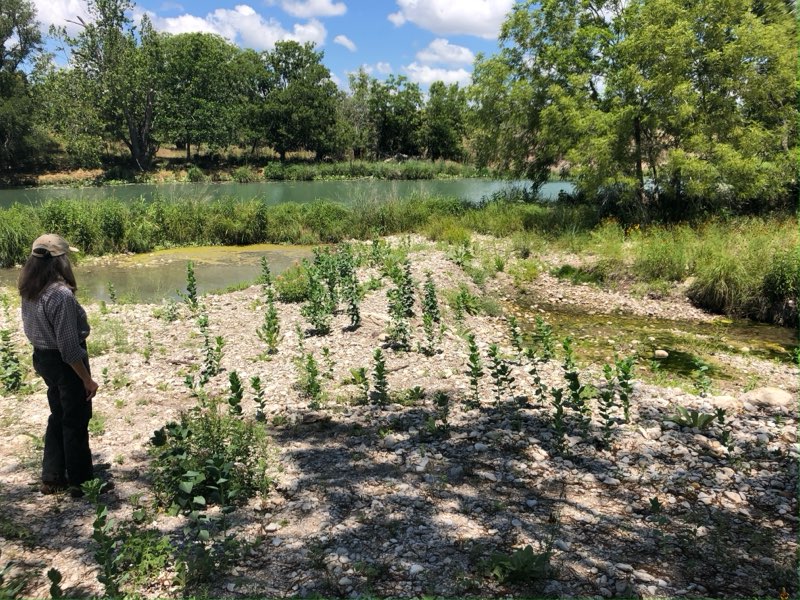
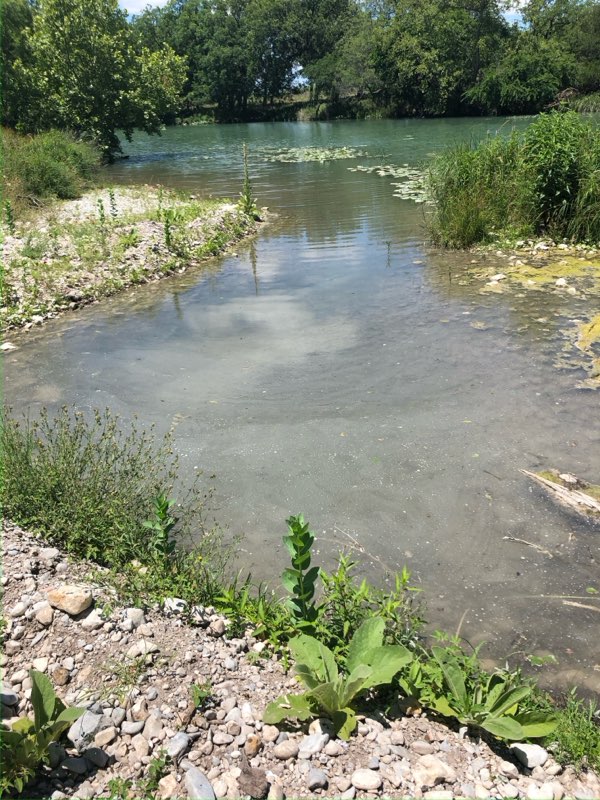
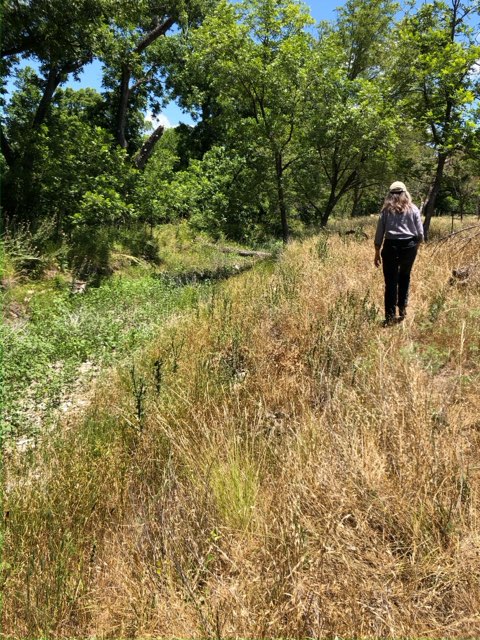
How do you eat an elephant? One bite at a time. First bite for historic Ditch repairs covers piping from the diversion point for 1 mile and repairs to the next 2 miles of the bed. Phase 1 will be partially funded by a federal program thanks to the efforts of Water Dist. Manager Meredith Allen and crew.
The Department of the Interior recently announced $51 million from President Biden’s Investing in America agenda for 30 new Environmental Water Resource Projects in 11 states through the Bureau of Reclamation. The collaborative projects focus on water conservation, water management and restoration efforts that will result in significant benefits to ecosystem or watershed health. A portion of those funds are headed to Menard County for phase 1 of repairs/improvements to the historic irrigation canal (Ditch) which has suffered erosion and drought damage over the last two decades. Water Control & Improvement District #1 manager Meredith Allen has been studying the extensive damage and potential solutions for the last 4 years as manager. Former manager Caroline Runge has also put in many hours toward finding a feasible fix. Feasible, yet not inexpensive. The federal grant will provide approximately $1.8 million for the estimated $2.5 million project. The awarded amount will cover most, but not all of the phase 1 needs. The District will be responsible for approximately $630,000. For now, these numbers remain an estimate until contracts are finalized next spring.
The Ditch project will not be a small feat. The first step, which will be funded by the federal grant, will consist of piping the first mile of the waterway where it breaks from the San Saba River west of town. The diversion point has always been a lower elevation that the river there, which is how flow is provided. Over time the mouth of the canal has washed and flooded to the point where the original ditch wall has eroded, allowing water to escape back into the river instead of staying in the ditch.
This makes it impossible to separate from the river and flow freely. “This is the area we see the most seepage and loss of water,” said Allen. Installing the pipeline is the most efficient way to bypass the challenging circumstances and combat the impact of Mother Nature in the future. In addition to the piping, the grant should provide for repairs to the Ditch bed for the next 2 miles into town.
Allen stated: “The Menard County WCID Board of Directors is pleased to be considered for award of financial assistance from the Bureau of Reclamation.” If all goes well with paperwork and matching funds, the grant will be finalized by March of 2024. Once the project is started it is estimated to take 5 years to complete.
Allen notes the District partnered with the Texas Nature Conservancy’s Water and Agriculture Program Director, Kyle Garmany, to whom they owe a huge thank you for supporting the District and providing extensive technical and scientific background that was necessary to complete the application.
The Bureau’s description of the project, released in a November 16, 2023 media statement, reads:
‘Menard County Control and Improvements District #1, in central Texas, will upgrade the Menard Canal irrigation water conveyance system to reduce losses so that more water is kept in the San Saba River for fish and wildlife benefit. A water loss study conducted by U.S. Geological Survey in the summer of 2014 showed that the 6-mile long canal experiences an approximately 50% loss over the first 2.5 miles. The project involves replacing the first 4,000 feet of the unlined Menard Canal with pipe, and re-sloping, reshaping and partially filling the next mile of unlined canal to create a narrower channel profile. Following that narrowed span of canal, the district will pipe an additional 2,000 feet of the canal and install gates to control flow. The district has committed to leaving the majority of the conserved water, 1,100 acre-feet per year instream for a 30-year term. The additional instream flows will contribute significantly to baseflow of the San Saba River and create a more reliable supply of water for downstream aquatic habitat. Sections of the San Saba River downstream from the project that will benefit from the increased flows include critical habitat for the Texas fatmucket and Texas pimpleback mussel species.’
“While we are new to the federal grant funding program, we are excited at the opportunity to make lasting improvements to the Ditch and will continue to update the Menard Community as we learn more,” said Allen.